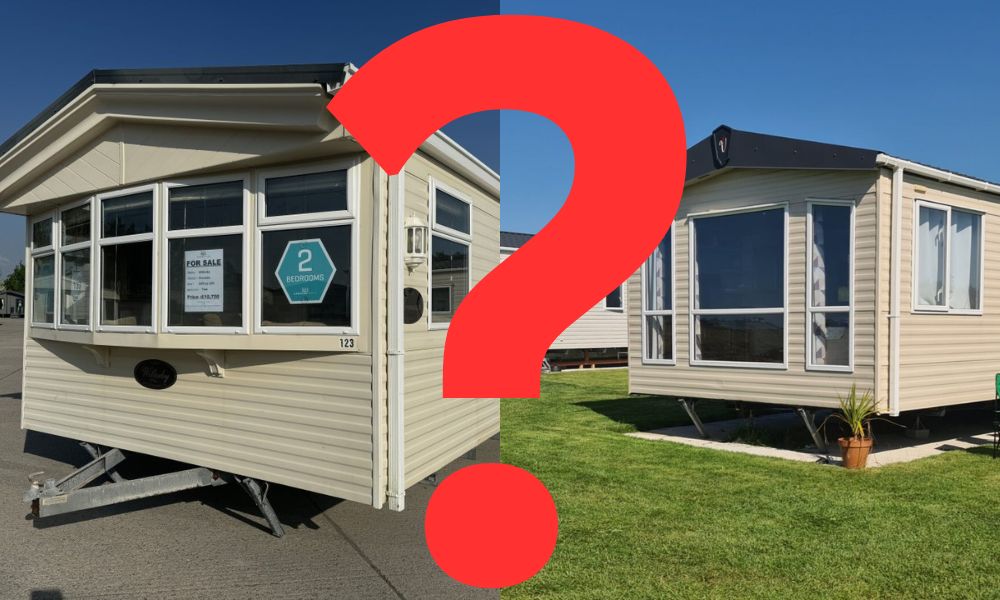
If you’re thinking about buying a static caravan, you’ll sooner or later get to a point where you’ve got both new and used options to choose from. Typically, people think new is better – but pre-owned represents better value.
While this is somewhat true, it’s not quite as simple as deciding how much money you want to spend. There are real benefits associated with both new and used caravans – and a few limitations you might find yourself coming up against either way.
In this blog, we’ll explore all of this in detail. To give you a quick sense of where the numbers sit: new static caravans typically start from around £35,000 for entry-level models, while used caravans often start from £15,000–£25,000 depending on age and condition.
When you’re finished reading, you might not have a fixed idea of whether new or used is right for you – but you’ll have all the information you need to make the right decision when you look at holiday homes on your park visits.
At a Glance
- New caravans start from around £35,000; used models typically start from £15,000–£25,000 (although this can vary significantly park-to-park)
- New caravans come with manufacturer warranties that can last anywhere from 1 to 10 years
- Used caravans tend to cost less upfront, often getting you a higher specification for the same budget
- Finance terms may be shorter on older caravans, so it’s worth factoring this in
- Private sales offer less consumer protection than buying through a reputable park operator
- Always ask about any age limits that apply at your chosen park before you commit
New or Used Caravans: A Bit of Background
Buying a new or pre-owned static caravan isn’t quite the same as buying a new or pre-owned car. If you’re looking at cars, you’ve got countless options, including speccing a model from the factory – but there’s usually a far smaller number of caravans to choose from at any one time.
Why? Well, parks tend to sell what they have in stock. This isn’t always the case – some will order caravans from the factory for you – but 99% of people who head to holiday parks with static caravan ownership in mind will buy something that’s available there and then.
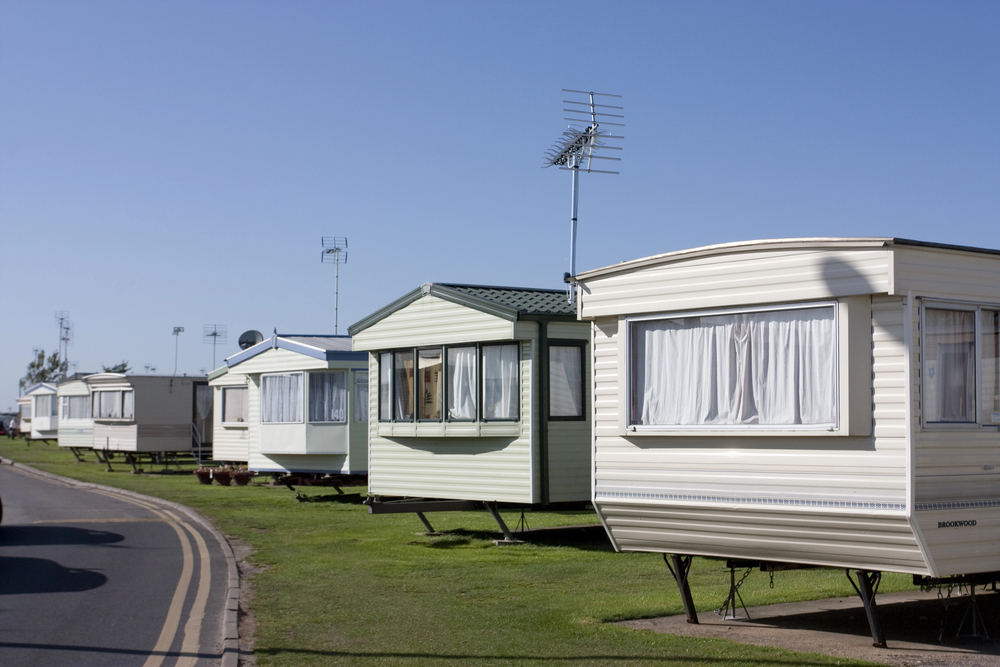
This isn’t down to pressure from salespeople or anything like that; it’s more to do with how open-minded people tend to be when it comes to caravans. People don’t tend to be loyal to specific brands like they are with cars – the choice typically comes down to a static with the right number of bedrooms and the right level of luxuries and amenities.
What’s more, people tend to find that ‘the perfect caravan’ is far less important than they first thought. Of course, the static you choose has got to represent good value for money and tick all of your boxes – but when it comes to holiday homes, finding the right park is usually a much more important decision.
Important Question: Do Parks Still Have a 10-Year Rule For Caravans?
In the past, parks often had an age limit – sometimes called ‘tenure rules’ – for the caravans that could stay on the park. In some cases, it was 10 years; in others, it was 15. These rules have largely been abandoned, which makes it practical to keep an older caravan and adds confidence to buying pre-owned.
That said, these rules do still crop up from time to time – particularly with smaller park operators. Since finding the right park is usually the first step in the static ownership puzzle, it’s a good question to ask before you arrange any visits. It doesn’t mean ruling out parks that have age limits – but it does give you a clearer picture of whether your caravan will be a practical longer-term investment.
What Will I Have to Choose From?
When you get to the park, you’ll usually have a range of new and pre-owned models to look at. Most parks will have a range that spans different levels of affordability too. On large parks, there could be 30–40 caravans available. On smaller parks, the choice will typically be a little more limited.
It’s interesting to look at where these statics usually come from:
New Caravans
New caravans are bought by the park operator, usually from the manufacturer or from caravan dealers. They arrive on the park and are put on show – sometimes with the cellophane still on the carpets and upholstery, but sometimes dressed up to give a sort of show-home feel.
Used Caravans
Used caravans might come from different places. Sometimes, they’ll be units that people have bought and later part-exchanged. In other cases, they might have been bought from other parks by dealers and then sold on. Equally, they might be caravans that have been used as holiday lets and are then sold on the park.
What Condition Should I Expect from a New or Used Static Caravan?
A brand new static caravan will be ‘factory fresh’ – usually with that new-carpet smell. You might even find that fridges and appliances are still sealed shut and mattresses still wrapped. Used caravans aren’t beaten-up or bashed around though – in fact, in many cases, they look as good as new when they’re presented for sale.
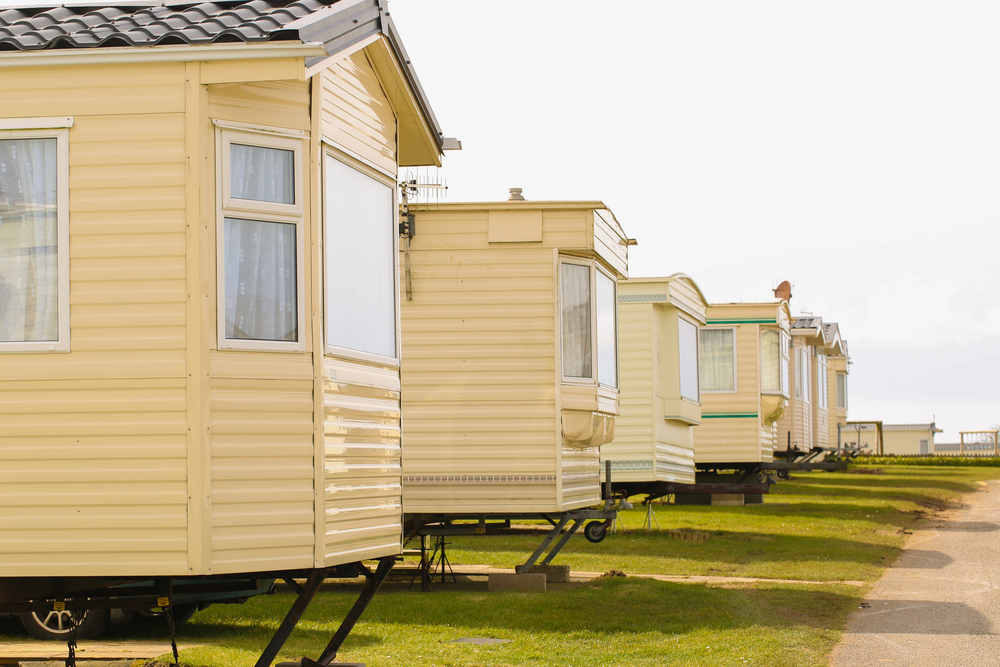
Whether you’re buying new or used, parks understand that you’re spending a lot of money. As such, pre-owned models will routinely be deep cleaned and often have any minor issues put right before they hit the showground. In our many years of selling caravans, we’ve lost count of the number of people who’ve said “This is used? You’d never know!”
Of course, not everyone looks after their static caravan in the same way – but used caravans that are showing signs of wear or don’t clean up well will usually be sold on to traders, rather than to new owners.
How Do Private Sales Fit into All of This?
Not all caravans are bought through the park operator that runs the site. You might find someone who is selling their own caravan directly – typically referred to as a ‘private sale’.
This is handled quite differently to a sale made through the park. If you go down this route, you’ll typically be buying ‘as seen’ – meaning any issues that crop up after you’ve bought it won’t be fixed by the park. Unlike buying through the park, there’s generally much less consumer protection, and you won’t benefit from the deep-cleaning, safety checks, and siting work that the park would normally carry out before handing over the keys.
One thing that is different with private sales, though, is that the caravan stays exactly where it is. When you buy through the park, you’ll get to choose your own pitch – which means the van will be moved, re-sited, and prepared before you move in. With a private sale, that process doesn’t happen, so in some cases you could be in and enjoying your caravan much sooner than you would be otherwise. It’s one of the few genuine advantages of going down the private sale route.
It’s also worth noting that some parks offer a discount on site fees when you buy through them – often in the region of £500 or more – which doesn’t apply to private sales. It doesn’t apply everywhere, but it’s worth asking about.
What Are the Pros and Cons of New vs Used Static Caravans?
Let’s take a look at some of the advantages and disadvantages of each:
Buying New
Pros
- That factory-fresh feel – everything pristine, often still wrapped
- Longer finance terms are more likely to be available
- Comprehensive manufacturer warranties – often covering anywhere from 1 to 10 years on structural issues and appliances
- Holds its value a little better in the short term, as the steepest part of the depreciation curve is still ahead of you
- Modern features and energy efficiency, making new caravans better suited to year-round and off-peak use
- Buying new may help maximise your time on the pitch, if tenure rules apply at your park
Cons
- Usually more expensive upfront than a comparable pre-owned model
- If the park needs to source a specific model, there can be a wait for manufacturing and delivery before you get your keys
Buying Pre-Owned
Pros
- You often get ‘more’ caravan for your money – a higher specification at a lower price point
- Pre-owned caravans will usually be deep cleaned and brought back to an excellent standard before sale
- Lower upfront investment can free up budget for extras, accessories, or site fees
- A great option if you’re new to caravan ownership and want a lower entry price to test the lifestyle before committing to a larger spend
Cons
- May have some minor niggles compared to brand new
- Little or no warranty beyond initial siting and handover checks
- Might be missing ‘from the factory’ additions like matching cushions, bedding and accessories
- Older caravans can be more prone to issues like dampness or chassis wear – worth asking about specifically before you commit
What Are the Differences with Finance on New and Used Caravans?
You’ll notice we’ve listed some differences above that relate to caravan finance – and it’s worth explaining this in a little more depth.
Like cars, static caravans lose value over time – and the drop tends to be sharpest in those first few years after purchase. It’s worth understanding why this is: when you buy a caravan on a park, part of what you’re paying for is the park’s profit margin, the cost of siting, safety checks, and other add-ons. Much of that initial drop in resale value reflects those factors rather than the caravan itself deteriorating. Either way, the practical upshot is that the gap between what you paid and what you’d get back tends to be a little smaller in cash terms on an older caravan than on a new one.

When it comes to finance terms, caravan finance is typically taken over 7 years. However, the term you can repay over depends on the age of the caravan at the end of the agreement. Because your caravan acts as security for the loan, the finance company needs to be confident it would be worth more than the outstanding balance at any given point.
In practice, this means an older caravan might only be financeable over, say, 4–5 years rather than 7. It rarely causes major problems – but it’s worth keeping in mind if you fall for a much older used model, as shorter repayment terms mean higher monthly payments for the same loan amount.
How Do Warranties Work on New and Used Static Caravans?
New caravans come with a manufacturer warranty – and this can vary quite significantly depending on the manufacturer and model. Typically, you’ll see warranties ranging from 1 year up to 10 years, often covering structural issues and manufacturing defects. The built-in appliances – fridges, cookers, and so on – will usually carry their own separate warranties from the appliance manufacturer too.
These manufacturer warranties don’t carry over to pre-owned caravans. Parks may offer their own short in-house warranty cover – but it rarely extends beyond the first few weeks of ownership, essentially just ensuring everything is working as it should be when you get your keys.
With this in mind, it’s a good idea to do a very detailed ‘snagging list’ on any used caravan – a note of every little issue you spot at handover – and report anything promptly. Parks are generally very responsive at this stage and want you to be happy from the outset.
What Kind of Issues Crop Up with Used Static Caravans?
Major issues with used caravans are generally few and far between. Unlike cars, they don’t have lots of moving elements or consumable parts – so once sited, a well-maintained used caravan will serve you well.
The issues that most commonly come up are wear-and-tear related – the odd mark on carpet or upholstery, or minor plumbing niggles. A well-maintained static will usually have had little things like these ironed out by the previous owner.
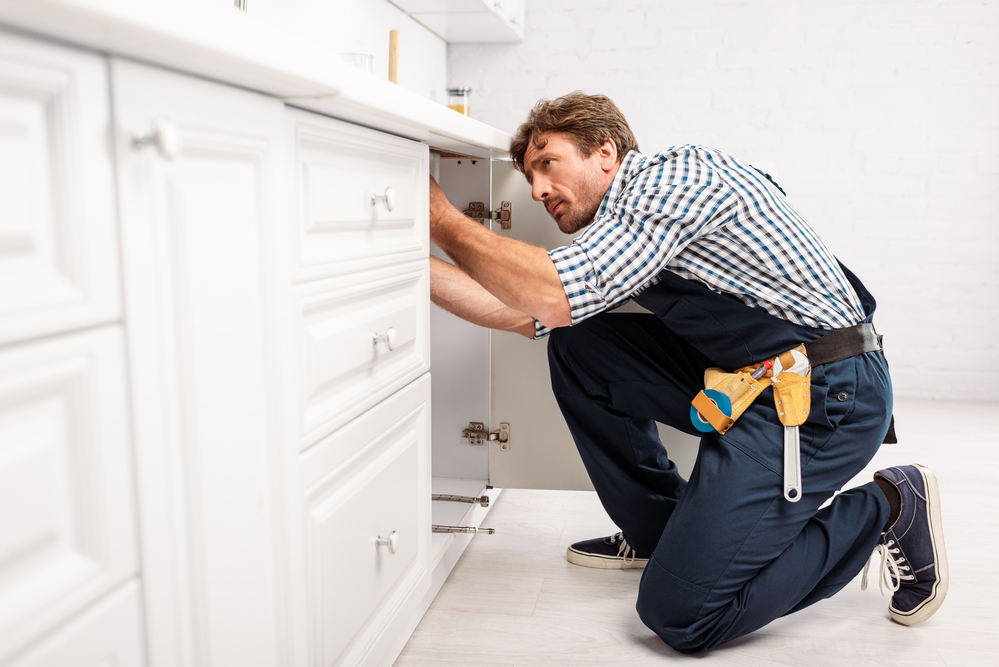
On older caravans, dampness and chassis condition are worth asking about specifically. Both can be issues on caravans that haven’t been well maintained, and it’s better to get clear answers before you commit than to discover problems after the fact. Any reputable park selling a used caravan should be able to give you a straightforward answer on both.
Without a warranty, any problems you do run into will be your responsibility to put right. You’re not entirely on your own though – parks will almost always have a list of approved suppliers and tradespeople who are qualified to work on caravans, and they may even be willing to send maintenance teams out for minor repairs.
So, Which is Right for You?
There’s no universal right answer – but there are some scenarios where one option tends to make more sense than the other:
New might be the better fit if…
- You plan to use your caravan frequently, including during colder months – newer models tend to have better insulation and energy efficiency
- You want the reassurance of a longer manufacturer warranty
- You’re happy to wait a little longer to get exactly what you want if the park needs to source a specific model
- Tenure rules apply at your chosen park – buying new may help you maximise how long you can keep your caravan on the pitch, if that’s the case
Used might be the better fit if…
- You’re new to caravan ownership and want to test the lifestyle without committing to a brand-new price tag
- You want the best possible specification for your budget – you’ll typically get more for the same money
- You’re conscious of the initial value drop on new models and prefer a more predictable financial picture in the short term
Summary
The new vs used debate is one of the most common questions we come across – and honestly, it doesn’t have a one-size-fits-all answer.
What it really comes down to is your priorities. If you’re after modern energy efficiency, a full manufacturer’s warranty, and the peace of mind that everything is fresh from the factory, new makes a lot of sense. If you’re prioritising value, want to get the best possible specification for your budget, or simply want to test the waters before committing to a larger spend, a good quality used caravan bought through a reputable park is a very strong option.
The most important thing, as always, is to ask the right questions on the day – about warranties, finance terms, any age limits that might apply, and exactly what’s included in the price. Armed with that information, you’ll be in a much stronger position to make a decision you’re genuinely happy with.